

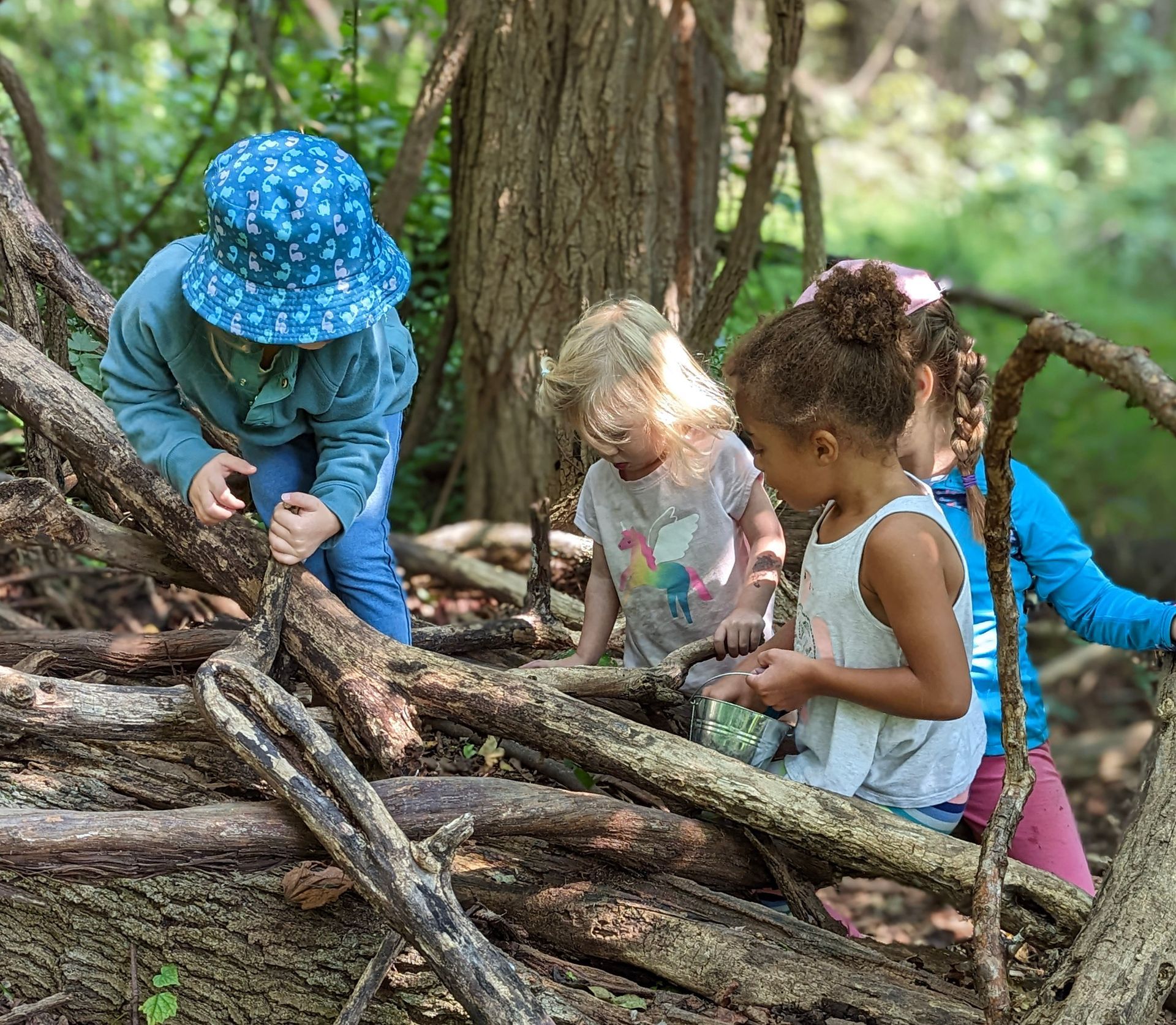
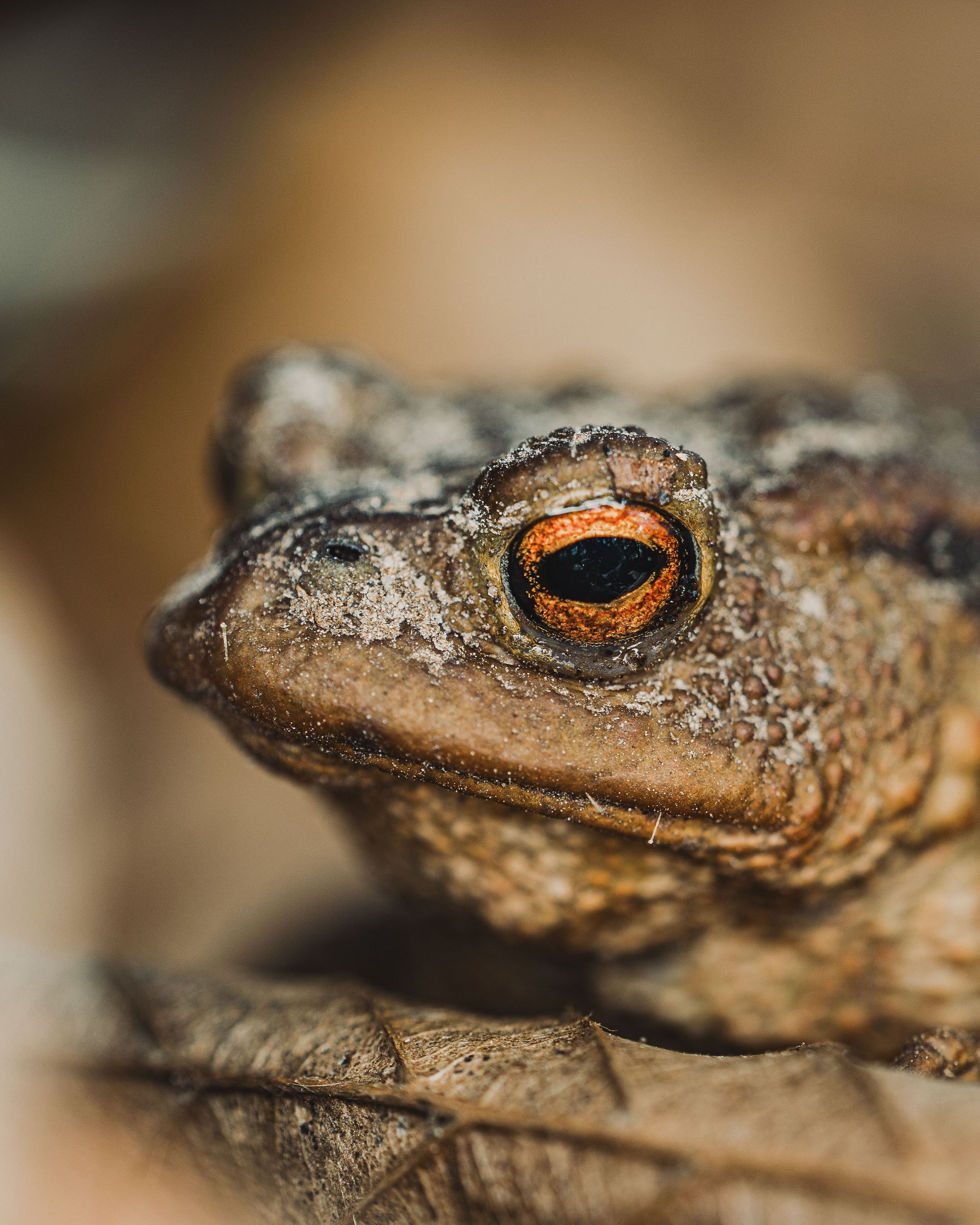
I caught a glimpse of a copperhead today, cheeks large with a full triangular head and slender body. It may sound strange, but I have always wanted to come across a venomous snake because I am fascinated by them. The scene caught me by surprise and captured my curiosity. As I slowly gave the snake space, I stood still and observed more carefully. It was then that I discovered this was no copperhead at all, but a garter snake with the back end of a large toad in her mouth! I wondered how on Earth that small garter snake could eat the toad, or if it would at all. I wondered how long it would take for the snake to work it's rubberband mouth around this huge toad. I wondered if toads taste as terrible to snakes as they do to foxes or dogs. Would the snake discover the bad taste and move along? How long might it be before the toad was gone for good? As I watched the big mama toad blinking and still, I wondered if she was frightened or just waiting for her move. Perhaps she would jump, knock the snake loose, and leave it behind. I thought she had a look on her face like, "not this again" and I laughed at the thought of a mama toad rolling her eyes. Would the snake loosen her grip if the toad took a leap? Or continue to pursue her? Could the toad escape or was this the end? I wondered how many eggs the toad must have laid all summer and how her progeny would continue this cycle of life. I walked away with my wonder, curious about what would happen next and enthralled at the wild scene I just stumbled on. When I returned an hour later, the toad and snake were gone. It feels good to sink into my own wonder, no matter how brief, and the experience calls me back to the role that educators have in nature-based programs. How many moments of wonder do children have each day? How many opportunities are there to pause, observe, and ask questions? Do children have constant narration from adults or time for quiet wonder and reflection? Do all questions need to be answered? What can we do to ensure there is time, space, and permission for this kind of nature connection? Today I give no answers, but challenge you to consider where a moment of wonder like this is possible with the children you love. How will you keep the quest in questions? List three new things to try that may kindle more curiosity, awe, and wonder.
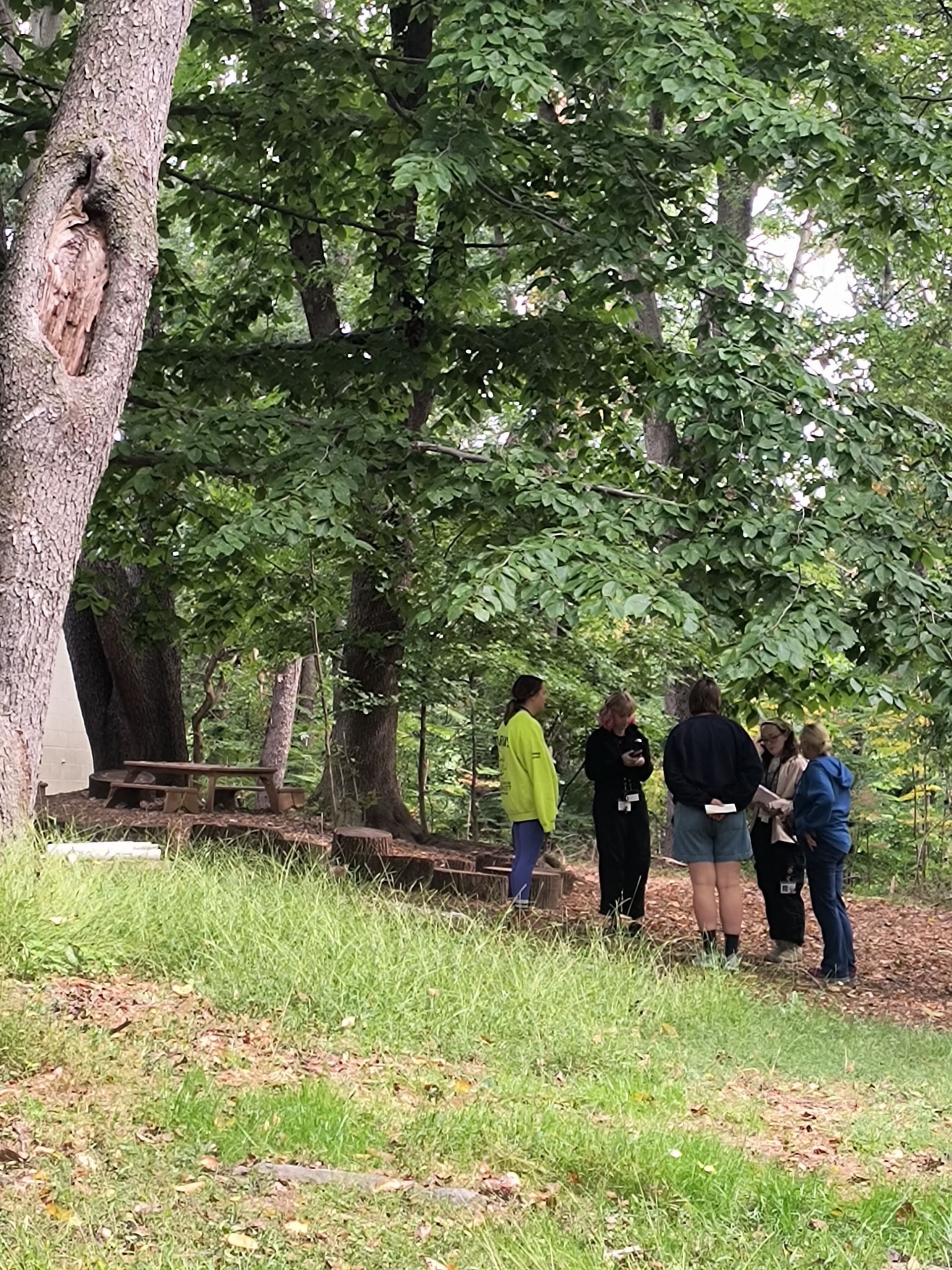
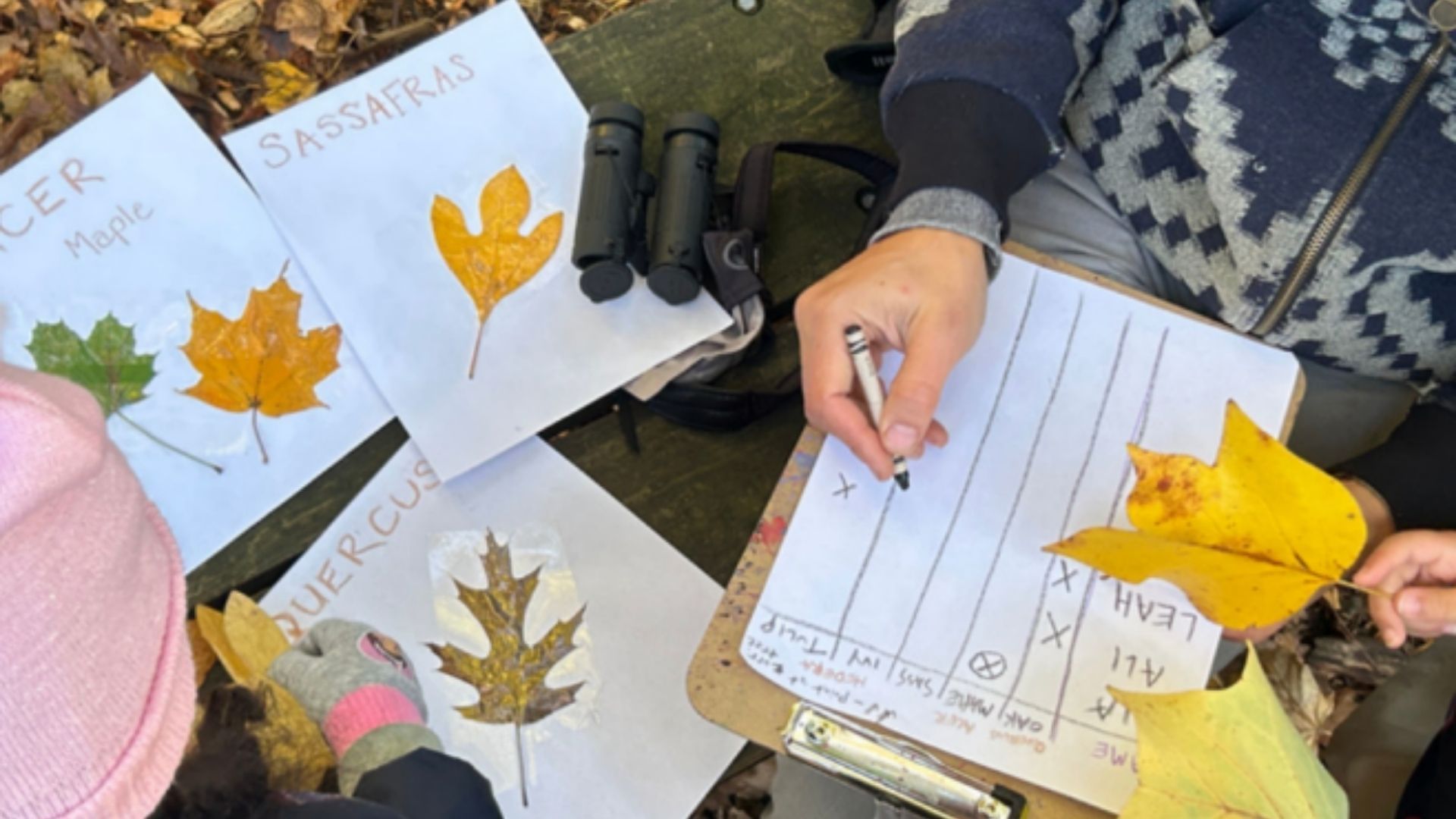
The Autumn Reset Outdoor Teacher Retreat was full of inspiring nature-based practices. The Association for Nature-Based Education (ANBE) offered the training with partners in Philadelphia, PA.
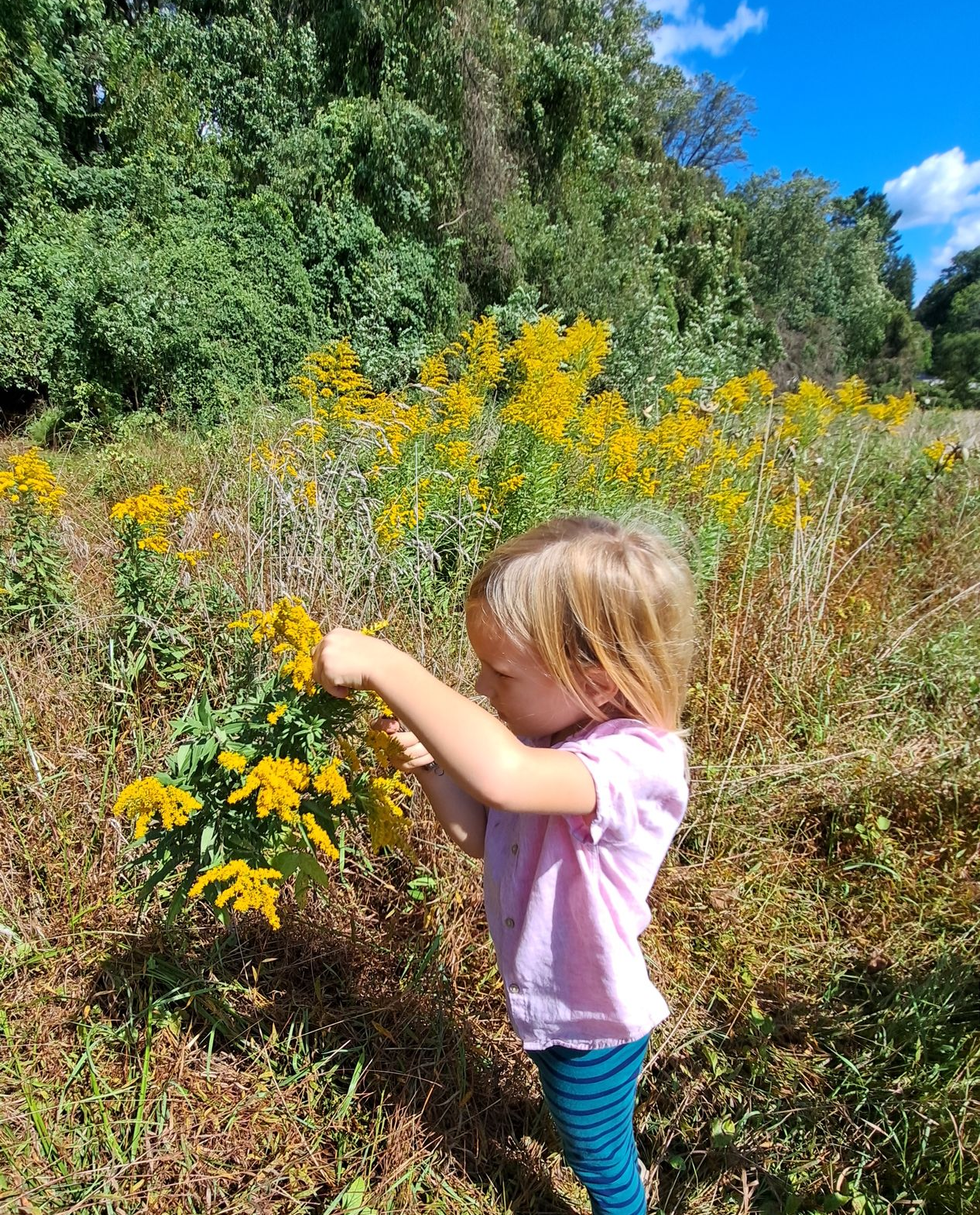
As teachers get ready for children to return to school, these are seven new things that will help you develop practices to enhance nature-based learning and play.